
The hardest part about spotting fake survey sites in 2026?
They don’t look fake anymore.
Many scam websites now copy real branding, use polished designs, and even display fake payout dashboards that look convincing.
If you’re exploring paid surveys, knowing the warning signs can save you time, money, and personal data.
This guide breaks down the biggest red flags that signal a fake survey site — and how to verify platforms safely before signing up.
If you haven’t already, you may also want to review our Online Scam Protection Guide for a broader overview.
Why Fake Survey Sites Exist
Legitimate survey platforms connect consumers with research companies. They earn revenue from market research clients — not from users.
Established platforms like:
- Swagbucks
- Survey Junkie
- InboxDollars
have public histories, documented payouts, and transparent business models.
Fake survey sites, on the other hand, exist to:
- Collect personal information
- Steal payment details
- Charge hidden fees
- Run short-term phishing operations
Understanding the difference starts with knowing what to look for. For a complete step-by-step recovery plan, see our guide on what to do if you gave information to a scam site.
🚩 1. They Charge a Sign-Up Fee
This is the biggest red flag.
If a survey website asks you to:
- Pay a “membership fee”
- Unlock “premium surveys”
- Purchase “VIP access”
Close the tab.
Legitimate survey sites are free to join. Always.
If you’re unsure how real platforms operate, read How Paid Survey Sites Actually Work
🚩 2. Unrealistic Earnings Promises
Fake sites often advertise:
- $50 per 10-minute survey
- $500 per week guaranteed
- “No disqualifications ever”
- Instant $100 signup bonuses
Real survey platforms typically pay:
- $0.50–$5 for most surveys
- Occasionally $10–$20 for longer studies
If earnings sound dramatically inflated, that’s intentional.
Also check out our article AI Job Interview Scams Explained.
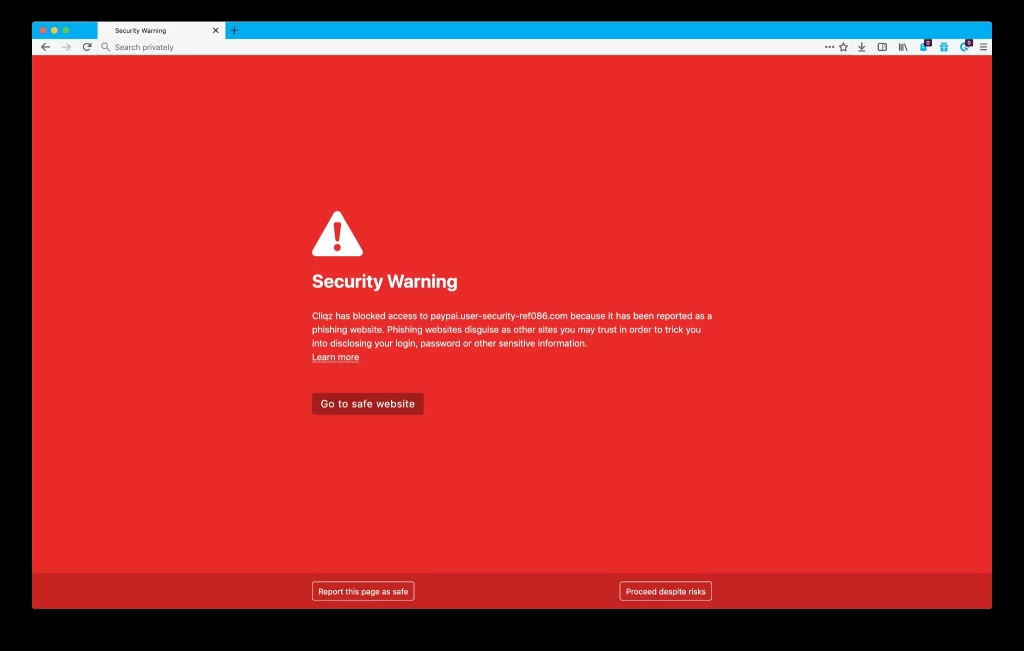
🚩 3. Suspicious Website Domains
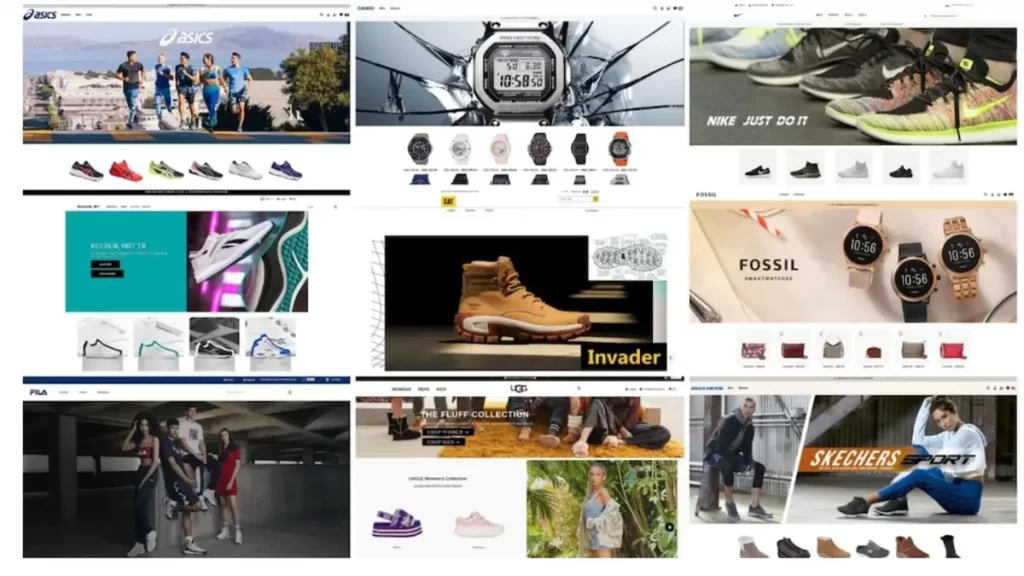
Fake survey sites often mimic real brands with small domain changes.
Examples:
- swagbucks-bonus2026.net
- inboxdollars-rewards.org
- surveyjunkie-cash.com
Always check:
- Exact spelling
- HTTPS security
- Whether the domain matches the official company
To quickly spot the difference between real and scam platforms, see our side-by-side guide to legit vs fake survey sites.
If you’re comparing platforms, use our Survey Site Comparison Hub
🚩 4. No Real Company Information
Legitimate platforms usually provide:
- Company background
- Terms & conditions
- Privacy policy
- Support contact details
Fake sites often:
- Hide ownership
- Provide no physical address
- Offer only a generic contact form
If there’s no transparency, that’s a problem.
🚩 5. Immediate Requests for Sensitive Information
At signup, most real survey sites only request:
- Basic demographics
- Payment method after payout threshold
Fake sites may immediately request:
- Full Social Security number
- Driver’s license photo
- Bank routing number
- Upfront ID verification
This is often identity harvesting.
If you’re unsure when information should be requested, review How to Verify If a Survey Site Is Legit.
🚩 6. Fake Payment Dashboards
Some scam sites display:
- Large account balances
- Instant earnings growth
- Perfect survey qualification
But when you attempt to withdraw:
- A processing fee appears
- A “tax payment” is required
- A deposit is requested
Legitimate survey sites do not charge withdrawal fees.
🚩 7. Communication Only Through Messaging Apps
Be cautious if:
- All communication happens via Telegram
- You’re redirected to WhatsApp groups
- “Support agents” message you privately
Real survey platforms operate through official websites and email systems — not chat apps.
🚩 8. High-Pressure Tactics
Scam sites often use urgency:
- “Only 24 hours left!”
- “Limited VIP spots!”
- “Act now or lose your earnings!”
Pressure is a manipulation tactic.
Legitimate survey platforms don’t rush you.
🚩 9. Brand-New Domain Registration
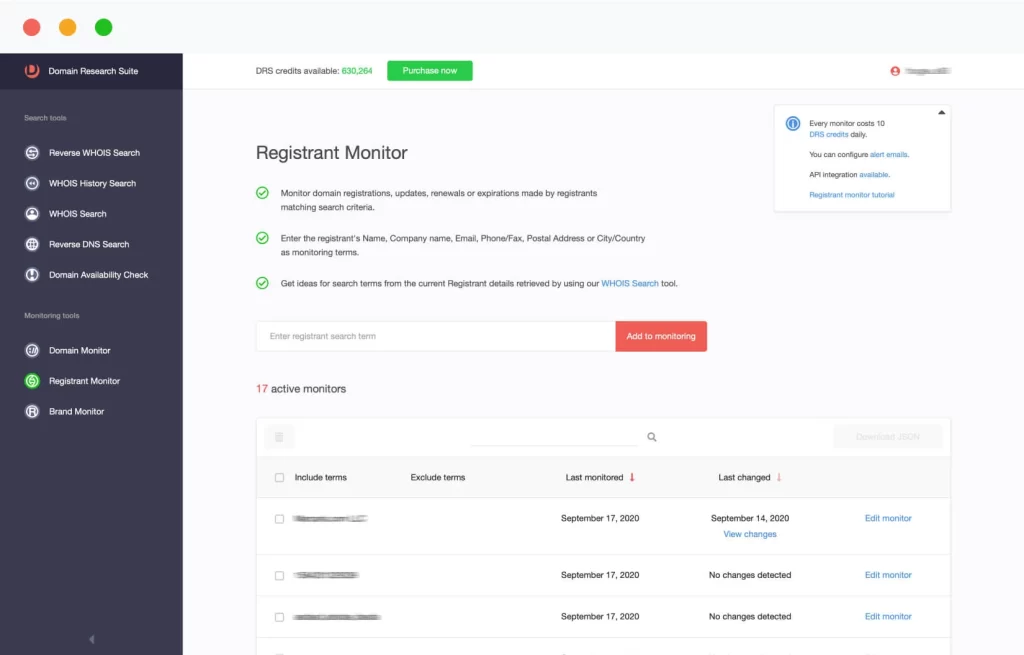
Many fake survey sites exist for only weeks before disappearing.
You can:
- Search domain age tools
- Check when the website was first registered
- Look for long-term online presence
If a site appeared last month and promises massive payouts, proceed carefully.
🚩 10. No Online Reputation
Established survey platforms have:
- Years of discussion
- User payout proof
- Independent reviews
- Social media presence
If you cannot find any credible history, that’s concerning.
For verified options, visit Best Paid Survey Sites
What a Legitimate Survey Site Looks Like
Legitimate platforms typically:
- Are free to join
- Explain how they make money
- Have realistic payout ranges
- Do not guarantee income
- Have documented history
- Offer transparent support
They may not be perfect — but they operate consistently and openly.
What To Do If You Find a Fake Survey Site
If you suspect a site is fake:
- Do not provide additional information
- Do not send payment
- Screenshot the website
- Exit immediately
- Monitor accounts if data was shared
If financial information was provided, contact your bank immediately.
For a broader breakdown of recovery steps, see What To Do If You Gave Information to a Scam Site.
The Most Important Rule
Legitimate survey sites:
- Do not charge membership fees
- Do not guarantee high income
- Do not require deposits
- Do not pressure you
- Do not hide ownership
Fake survey sites rely on unrealistic promises and urgency.
If you slow down and verify before signing up, you avoid most risk.
Final Thoughts
Fake survey sites are getting better at looking real.
But they can’t hide the red flags forever.
If you:
- Keep expectations realistic
- Never pay to join
- Verify domains carefully
- Avoid sharing sensitive documents too early
You dramatically reduce your chances of being scammed.
If you want a complete overview of survey-related scams in 2026, review our Survey Scams to Avoid in 2026
Stay cautious. Stay informed. Stay protected.
| Term | What It Means |
|---|---|
| Identity Harvesting | The primary goal of many scams; the process of gathering your SSN, ID photos, and birthdate to commit identity theft later. |
| Phishing | A deceptive practice where scammers send emails or create sites that look like real brands to trick you into revealing passwords or credit card numbers. |
| Social Engineering | Using psychological manipulation, such as creating a false sense of urgency or “VIP exclusivity,” to lower your guard and force a mistake. |
| Fake Check Scam | When a “recruiter” sends you a digital check for equipment, asks you to pay a vendor, and the check later bounces, leaving you liable for the lost funds. |
| Lookalike Domain | A URL designed to mimic a famous brand (e.g., “survey-junkie-rewards.net”). Always check for the official company extension before signing up. |
| Upfront Fees | Any request for a “membership” or “processing” fee. Legitimate platforms earn money from researchers, never from their users. |
| Threshold Trap | |
| Threshold Trap | A tactic where a scam site sets an unusually high minimum withdrawal limit (e.g., $100), then disqualifies you or freezes your account just as you get close to reaching it. |
| Vetting | The process of thoroughly investigating a site’s reputation, reviews, and security protocols before recommending it to users. |
| Malvertising | Deceptive advertisements—often found on low-quality survey sites—that contain malicious code designed to infect your device or redirect you to phishing pages. |
How to Spot Survey Scams: Common Questions
No. Legitimate market research companies are paid by brands to collect your opinion; they should never charge you to participate. If a site asks for a “membership fee” or “account activation deposit,” it is a primary red flag of a fake survey site.
Most legitimate surveys pay between $0.50 and $5.00 depending on the length. If a site promises $50 or $100 for a few minutes of work, it is likely a scam. For a breakdown of what top-tier sites actually pay, check out our guide on the Best Paid Survey Sites.
Legitimate sites may eventually need tax information if you earn over $600 in a year, but they will never ask for this during the initial sign-up. If a site demands sensitive IDs or your SSN immediately, they may be attempting identity harvesting.
First, stop all communication with the site. If you provided financial details, contact your bank immediately to freeze your accounts. You should also follow our step-by-step recovery plan in What To Do After a Scam.
Not necessarily, but they carry higher risk. Scammers frequently launch new domains, run them for 30 days, and vanish. We recommend using our Survey Site Verification Guide to check the domain age and registration history before joining a new platform.
Yes. In 2026, scammers use AI to clone the branding of reputable companies like Swagbucks or Survey Junkie. Always double-check that the URL in your browser matches the official company domain exactly. You can see examples of these clones in our 2026 Survey Scam Radar.
Surveys are usually short, automated, and lower-paying. Focus groups are live, scheduled sessions that pay significantly more. If you are looking for higher payouts without the “scam” risk, read our comparison on Paid Surveys vs. Focus Groups.

With 12+ years in consumer research and digital behavior analysis, Sarah helps readers understand which survey sites and earning apps are truly worth their time. Her reviews focus on simplicity, honesty, and real-world results.