
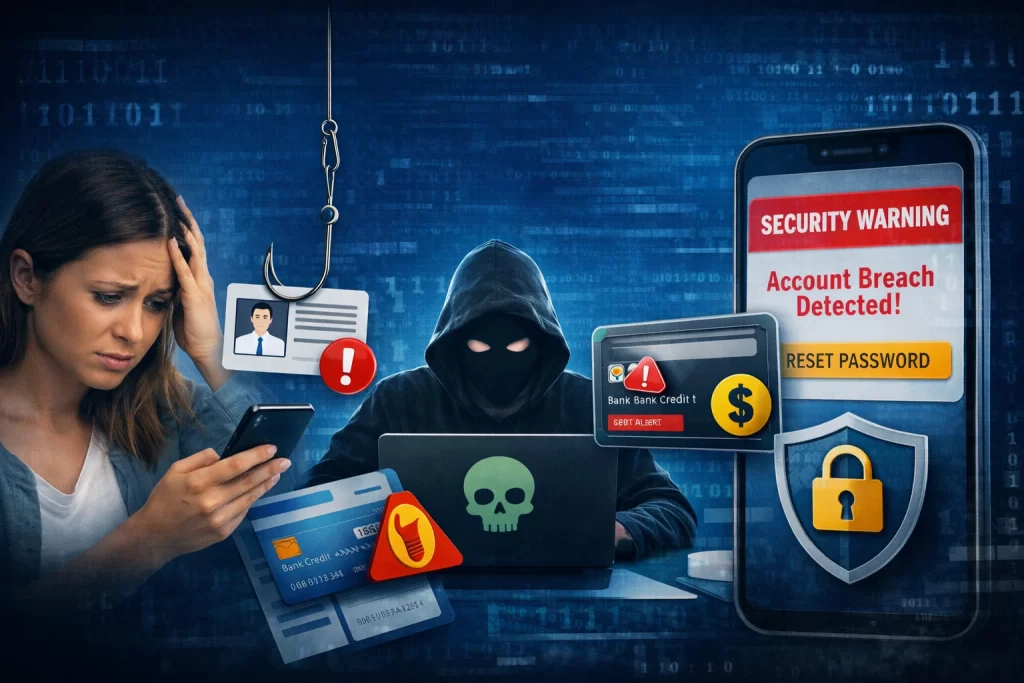
If you’ve already shared information with a suspicious or fake survey site, don’t panic.
What matters most is how quickly you act next.
This guide walks you step-by-step through what to do if you gave personal, financial, or login information to a scam site — and how to reduce your risk immediately.
For a broader overview of scam prevention, you can also review our Online Scam Protection Guide.
Key Takeaways (Read This First)
First: What Type of Information Did You Share?
Your next steps depend on what you gave the scam site.
Most common scenarios:
- Email and password
- Credit or debit card details
- Bank account information
- Social Security number (SSN)
- ID documents (driver’s license, passport)
If you’re unsure whether the site was legitimate, review How to Verify If a Survey Site Is Legit
Step 1: Stop All Communication Immediately
If you’re still in contact with the site or “support agent”:
- Stop replying
- Do not click any new links
- Do not send additional information
Scammers often try to extract more data after the first interaction.
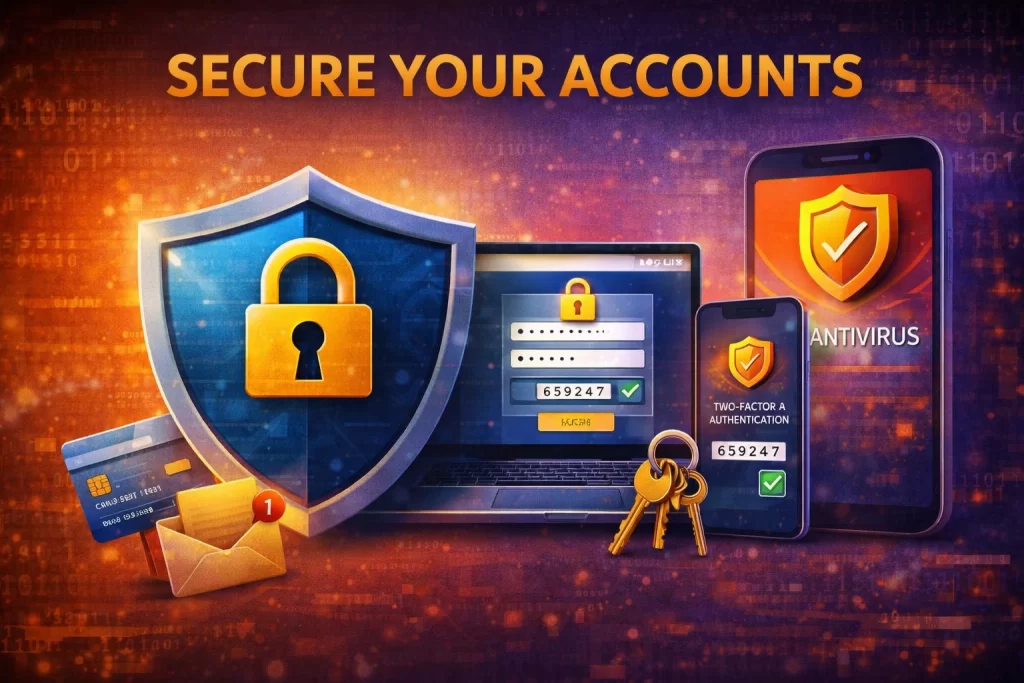
Step 2: Secure Your Accounts (Do This Right Away)
If You Shared Email or Passwords
- Change your password immediately
- Update passwords on any accounts using the same login
- Enable two-factor authentication (2FA)
Your email account is especially important — it can be used to reset other accounts.
If You Shared Financial Information
Credit or Debit Card:
- Call your bank immediately
- Freeze or cancel the card
- Dispute any suspicious transactions
Bank Account:
- Contact your bank’s fraud department
- Request account monitoring or temporary freeze
- Watch for unauthorized withdrawals
Legitimate survey sites do not require sensitive financial details upfront. If you’re unsure, review Fake Survey Site Red Flags.
If You Shared Your SSN or ID
This is more serious — but manageable if handled quickly.
Take these steps:
- Consider placing a credit freeze
- Monitor your credit reports
- Watch for unfamiliar accounts or inquiries
- Consider identity theft protection services
Step 3: Scan Your Device (If You Downloaded Anything)
Some scam sites include:
- Fake apps
- Malicious downloads
- “Survey tools” or browser extensions
If you installed anything:
- Delete it immediately
- Run antivirus or security scans
- Remove unknown browser extensions
Step 4: Monitor for Suspicious Activity
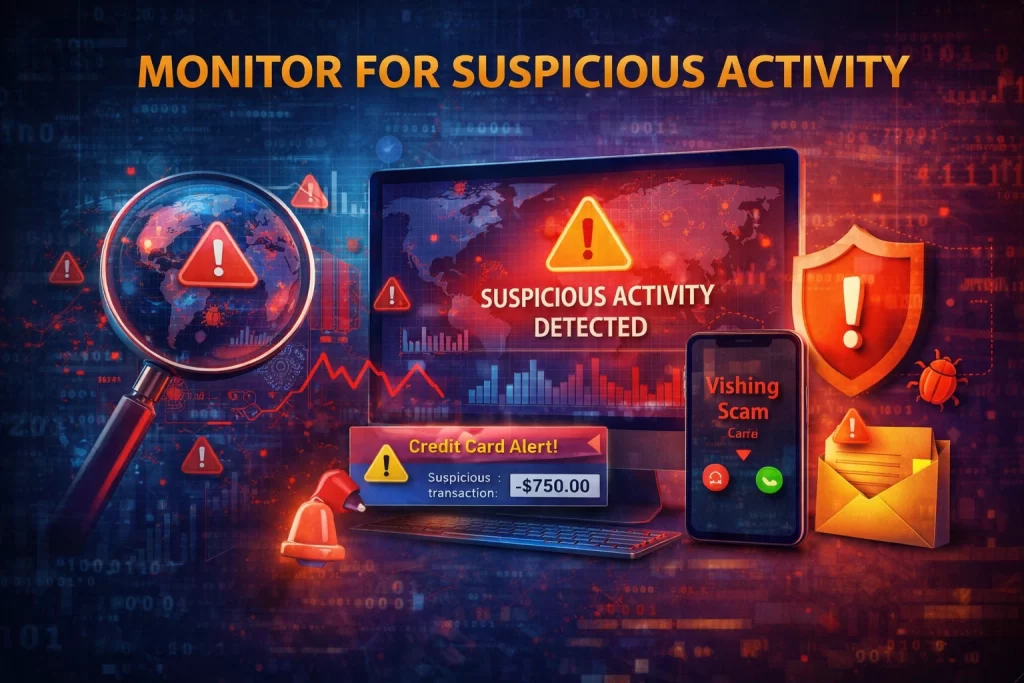
Over the next few weeks, keep an eye on:
- Bank transactions
- Credit card activity
- Email logins
- Password reset attempts
Scammers may wait before acting. Before joining any more platforms, it helps to review our guide on legit vs fake survey sites so you know what to expect.
Step 5: Document Everything
Take screenshots of:
- The website
- Emails or messages
- Payment confirmations
- Account activity
This helps if you need to:
- File disputes
- Report fraud
- Provide evidence to your bank
Step 6: Learn From the Red Flags
Most scam sites follow predictable patterns:
- Upfront fees
- Unrealistic earnings promises
- Urgency or pressure
- Requests for sensitive information
To better understand these warning signs, read Survey Scams to Avoid in 2026.
Step 7: Only Use Verified Survey Platforms Moving Forward
After a scare, it’s best to stick with platforms that have:
- Public reputation
- Documented payouts
- Transparent policies
You can start with our vetted list of Best Paid Survey Sites
⚠ Common Mistakes to Avoid After a Scam
- Waiting too long to act
- Ignoring small suspicious transactions
- Reusing passwords across accounts
- Sending additional payments to “recover” funds
- Trusting the same platform again
Once a site shows scam behavior, do not re-engage.
Important Reminder
Getting caught by a scam does NOT mean you were careless.
Scammers today use:
- AI-generated communication
- Professional-looking websites
- Real company impersonation
They are designed to be convincing.
What matters is how you respond next.
FAQ: Scam Recovery & Protection
Immediately. The faster you secure your accounts and contact your bank, the better your chances of preventing damage.
In some cases, yes. Banks and credit card providers may reverse fraudulent charges — but success depends on how quickly you report it.
This is lower risk, but you may receive spam or phishing emails. Be cautious with future messages and avoid clicking unknown links.
Most do not ask for SSN, ID, or banking details at signup. If you’re unsure, review How to Verify If a Survey Site Is Legit
If possible, yes — but prioritize securing your accounts first. Do not log in again if you suspect the site is malicious.
Only if you downloaded something or granted permissions. If you did, run a security scan immediately.
SurveyBeta Final Advice
If you’ve shared information with a scam site, the situation is serious — but manageable.
The key is speed and awareness.
By:
- Securing your accounts
- Contacting your bank
- Monitoring activity
- Avoiding further interaction
You can significantly reduce your risk. And moving forward, always verify before signing up.
If you stay cautious and informed, you can still safely use legitimate survey platforms without unnecessary risk. Stay alert. Stay protected.

With 12+ years in consumer research and digital behavior analysis, Sarah helps readers understand which survey sites and earning apps are truly worth their time. Her reviews focus on simplicity, honesty, and real-world results.
–OR–