

If you’re exploring paid surveys in 2026, one question matters more than anything else:
Is this survey site actually legitimate?
With new platforms launching constantly — and scam sites copying real brands — knowing how to verify a survey site before signing up can save you time, frustration, and potential financial risk.
This guide walks you through a practical, step-by-step process to determine whether a survey platform is trustworthy.
If you’re new to the space, you may also want to review our Online Scam Protection Guide
Step 1: Check for Upfront Fees (The Fastest Filter)
Before doing anything else, answer this:
Does the site charge a membership fee?
If yes, stop immediately.
Legitimate survey platforms make money from research companies — not from charging users to join.
Established platforms like:
- Swagbucks
- Survey Junkie
- YouGov
are free to join.
If a site asks you to:
- Pay for “VIP access”
- Unlock “premium surveys”
- Send a processing fee
It’s almost certainly not legitimate.
To understand how real platforms earn revenue, read How Paid Survey Sites Actually Work
Step 2: Examine the Website Domain Carefully
Fake survey sites often mimic real brands.
Look closely at:
- Spelling of the domain
- Extra words like “bonus” or “rewards2026”
- Unusual extensions (.net, .org, .vip instead of .com)
Example warning signs:
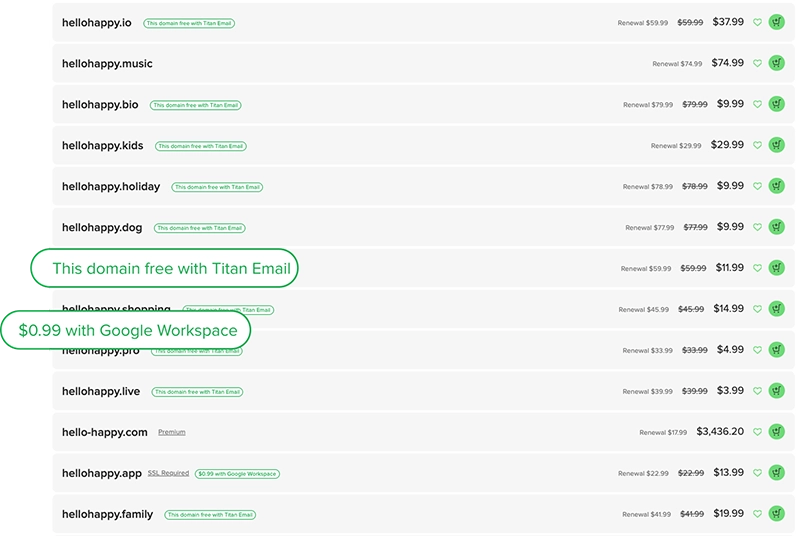
- swagbucks-bonus2026.net
- surveyjunkie-cash.org
- inboxdollars-rewards.vip
Always:
- Check for HTTPS security
- Confirm the domain matches the official company site
If you’re comparing platforms, use our Survey Site Comparison Hub
Step 3: Look for Transparent Company Information
Legitimate survey sites typically provide:
- About page
- Privacy policy
- Terms of service
- Clear contact information
- Company background
Red flags include:
- No physical business details
- No real support email
- No company history
- Extremely vague language
Trustworthy companies don’t hide who they are.
Step 4: Research the Site’s Online Reputation

Search:
“[Site name] reviews”
“[Site name] payout proof”
“[Site name] scam”
What you’re looking for:
- Consistent history over time
- Discussion across multiple platforms
- Balanced reviews (not only extreme praise)
If a site has:
- No online presence
- Only brand-new reviews
- Only glowing testimonials on their own website
Proceed carefully.
For a curated list of vetted platforms, see Best Paid Survey Sites
Step 5: Check Realistic Pay Expectations
One of the biggest ways to detect fake survey sites is by understanding realistic earnings.
Most legitimate survey platforms pay:
- $0.50–$5 for standard surveys
- $10–$20 for longer research studies
- Higher amounts for focus groups or product testing
They do not:
- Guarantee full-time income
- Promise $500 per week
- Offer $50 for every 5-minute survey
If earnings seem exaggerated, they probably are.
For detailed pay breakdowns, read How Much Do Paid Surveys Really Pay? → /how-much-do-paid-surveys-pay/
Step 6: Evaluate Signup Requirements
Legitimate survey sites usually request:
- Age confirmation
- Basic demographic information
They typically do NOT request:
- Full Social Security numbers at signup
- Driver’s license photos immediately
- Bank routing numbers before payout threshold
If sensitive identity documents are requested upfront, that’s a major red flag.
You can review more warning signs in Fake Survey Site Red Flags
Step 7: Analyze Withdrawal & Payment Policies
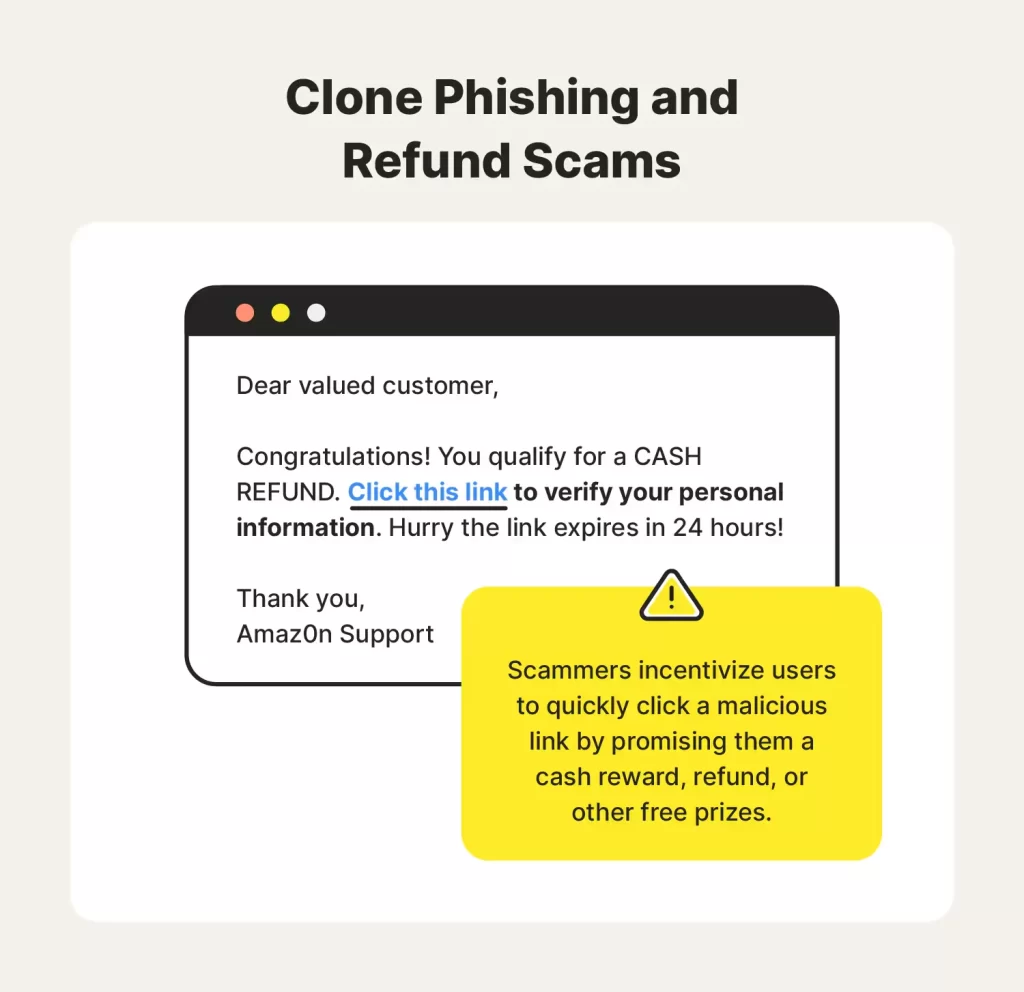
Before signing up, check:
- Minimum payout threshold
- Available payment methods
- Whether withdrawal fees exist
Legitimate survey platforms commonly offer:
- PayPal
- Gift cards
- Direct bank deposit (sometimes)
They do not:
- Require deposit to withdraw
- Charge processing fees
- Demand crypto-only payouts
If the withdrawal system looks complicated or suspicious, reconsider. If you want a clearer breakdown, check our comparison of legit vs fake survey websites before signing up.
Step 8: Watch for High-Pressure Tactics
Scam sites often create urgency:
- “Limited VIP spots”
- “Offer expires today”
- “Act now or lose earnings”
Real survey platforms don’t pressure you to join immediately.
They operate continuously.
Urgency is often manipulation.
For a broader breakdown of scam tactics, read Survey Scams to Avoid in 2026. To better protect yourself and recover quickly, read our in-depth article on what to do if you gave personal information to a scam site.
Step 9: Check Domain Age
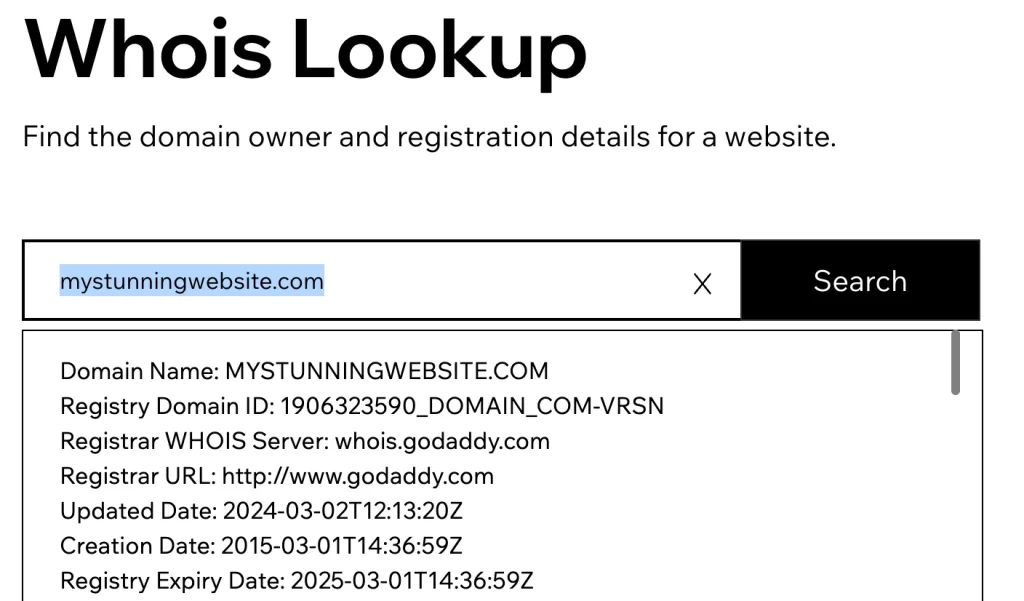
Many fake survey sites are:
- Brand new
- Less than 3 months old
- Designed for short-term operation
You can search domain registration information using public tools.
If a site promising large payouts was created last month, that’s a warning sign.
Established survey platforms typically have multi-year histories.
Step 10: Trust Your Instincts
If something feels off:
- Poor grammar
- Aggressive promises
- Unclear explanations
- Overly flashy dashboards
Pause.
Legitimate survey sites are usually straightforward, even slightly boring.
Scam sites try to impress quickly.
What a Legitimate Survey Platform Usually Looks Like
Here’s a quick summary checklist:
✔ Free to join
✔ Realistic earnings
✔ Transparent policies
✔ Public history
✔ Multiple payment methods
✔ No upfront deposits
✔ No pressure tactics
If a site meets most of these criteria, it’s more likely to be legitimate.
What To Do If You’re Still Unsure
If you’re on the fence:
- Don’t share sensitive information yet
- Don’t send money
- Research more
- Compare with known platforms
You can always start with trusted options from our Best Paid Survey Sites
It’s better to miss one opportunity than risk identity or financial damage.
Final Thoughts
Verifying a survey site isn’t complicated — but it does require slowing down.
In 2026, fake platforms look more convincing than ever. But they still rely on the same tactics:
- Unrealistic promises
- Urgency
- Hidden fees
- Identity harvesting
If you:
- Refuse to pay upfront
- Double-check domains
- Keep earnings expectations realistic
- Avoid sharing sensitive documents too early
You’ll avoid the vast majority of scams.
Before joining any new platform, take five minutes to verify it properly.
That small step can protect your time, money, and personal information.
Stay cautious. Stay informed. Stay protected.
| Term | What It Means |
|---|---|
| SSL Encryption | The security protocol (indicated by the lock icon in the URL) that ensures your personal data is sent securely and not intercepted by hackers. |
| Domain Age | The length of time a website has existed. Scams are often brand-new (less than 6 months), while legit sites have multi-year histories. |
| Payout Threshold | The minimum amount of money you must earn before the site allows you to withdraw your funds (e.g., $5.00 or $10.00). |
| WHOIS Search | A public tool used to see who owns a domain and when it was registered. Essential for verifying “Brand New” platforms. |
| Data Harvesting | A type of scam where a site exists solely to collect and sell your email, phone number, or ID for identity theft. |
| Two-Factor (2FA) | A safety feature where you verify your identity via phone or email code. Legit sites use this to protect your account balance. |
| Domain Spoofing | When a scammer creates a URL that looks like a real brand (e.g., “swagbuck-rewards.com”) to trick you into logging in. |
How to Verify Survey Sites: Frequently Asked Questions
Scammers often create fresh domains that only stay active for a few months. You can verify a site’s history by checking the Domain Age (as detailed in Step 9 of our guide). If a site claiming to be a “top provider” was only registered 30 days ago, leave immediately.
Legitimate sites use phone numbers for Two-Factor Authentication (2FA) to protect your earnings. However, if a site asks for your number before explaining their privacy policy, they may be planning to sell your data to telemarketers. Always check for SSL security and contact info first.
The “Pay-to-Play” trap. If a site asks you to pay a “processing fee” or “account upgrade” to access your rewards, it is a fraud. We cover this extensively in our list of Fake Survey Site Red Flags.
Even the best paid survey sites have some negative reviews, usually due to disqualifications. The key is to look for patterns of non-payment. One or two complaints about a survey ending early is normal; dozens of complaints about “missing withdrawals” is a sign of a scam.
Yes. Modern scammers use AI to clone the design of real companies like Swagbucks. They may even use deepfake videos in “interviews” to gain your trust. Learn how to spot these high-tech tactics in our AI Job Interview Scam Guide.
Never provide a photo of your ID to a survey site during sign-up. While some legitimate platforms require ID verification for large payouts (to prevent fraud), this should only happen after you have an established account history. If you’re unsure, follow our Scam Radar for 2026 to see current ID theft trends.
If you’re in a hurry, look at the Contact Us page. Legitimate companies list a real physical office address and a professional support system. If the only way to contact them is via a generic Gmail address or a Telegram link, it’s a fake.

With 12+ years in consumer research and digital behavior analysis, Sarah helps readers understand which survey sites and earning apps are truly worth their time. Her reviews focus on simplicity, honesty, and real-world results.