
The paid survey industry is real.
Companies genuinely pay consumers for opinions, product testing, and research participation. But wherever money moves online, scammers follow.
In 2026, survey scams are more sophisticated than ever. Some look professional. Others copy legitimate brands, and now scammers even use AI tools to sound convincing.
If you’re exploring online surveys, this guide will help you recognize what to avoid — before you share personal information or lose money.
If you’re new to the space, start with our Online Scam Protection Guide
Why Survey Scams Are Increasing
Survey platforms are attractive targets because:
- They involve small payments (less suspicion)
- Users expect to share demographic data
- Many beginners don’t know typical pay ranges
- Scammers can copy legitimate website designs easily
Real survey platforms like Swagbucks, Survey Junkie, and YouGov have long histories and transparent payment systems.
If you want verified options, see our Best Paid Survey Sites
Scam operations often mimic that look — without the legitimacy.
1. The “Pay to Unlock Premium Surveys” Scam
How It Works
You see an ad promising:
- $40–$75 per survey
- “VIP access”
- Limited-time opportunity
But first, you must pay a small “activation fee.”
Once paid:
- The surveys disappear
- The account gets locked
- Support stops responding
Why It’s Always a Scam
Legitimate survey sites never charge membership fees.
If you’re unsure how real platforms operate, read How Paid Survey Sites Actually Work.
They make money from research companies — not from charging users.
If you’re unsure whether a platform is real or not, our legit vs fake survey sites comparison guide breaks down the key differences step by step →
2. Fake Survey Site Clones
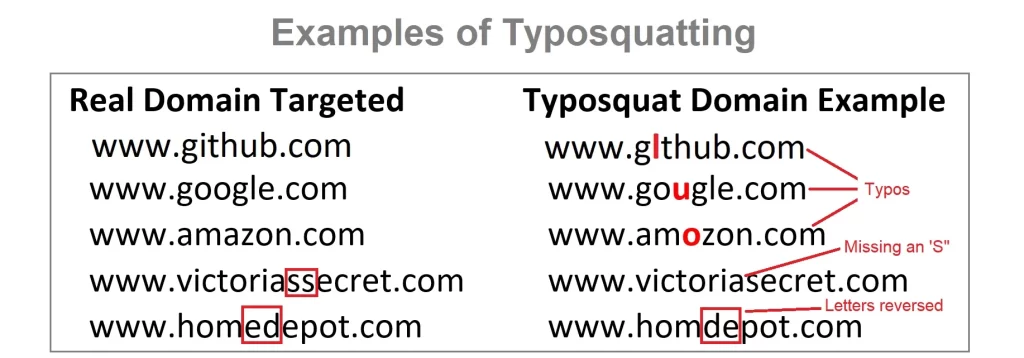
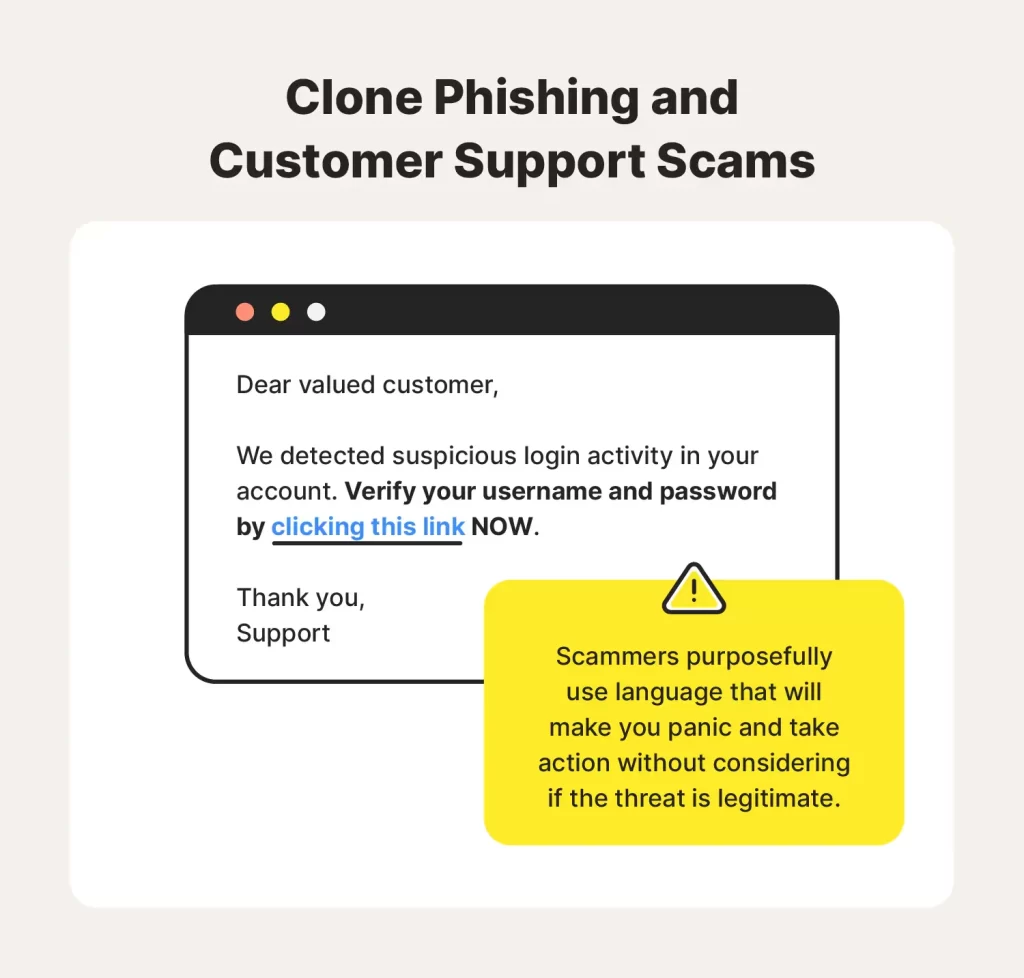
This scam has grown significantly in 2026.
Scammers create lookalike versions of trusted platforms such as:
- InboxDollars
- Freecash
If you’re comparing legitimate options, check our Survey Site Comparison Hub
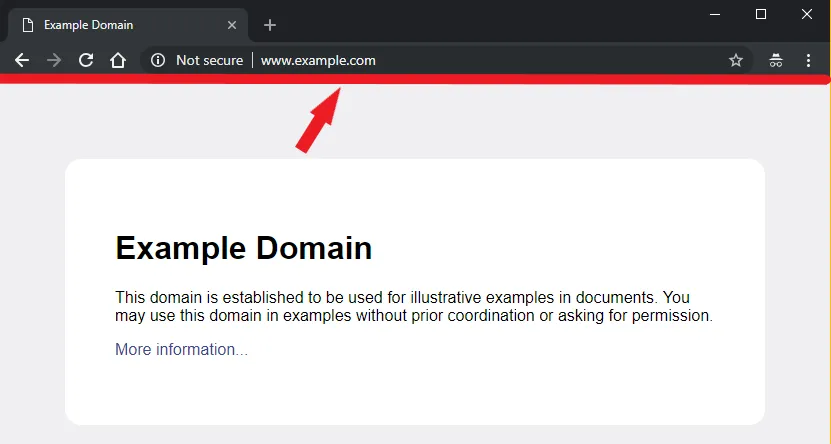
Always double-check the exact spelling of the website URL.
3. AI-Powered “Recruiter” Survey Job Scams
In 2026, scammers are using AI voice cloning and deepfake tools.
You may receive:
- A LinkedIn message
- A realistic interview call
- A job offer for “remote survey evaluation”
If someone interviews you for a basic survey role, something is wrong.
Before sharing personal details, review our Survey Scam Red Flag Checklist.
4. Task-Based Boosting Scams (Telegram & WhatsApp)
You’re promised:
- $200–$500 per day
- Simple “optimization” tasks
At first, you may even receive small payouts.
Then you’re told to deposit money to unlock earnings.
Legitimate survey sites never require deposits.
If you’re exploring higher-paying opportunities, see our Guide to Legitimate Focus Groups & Research Studies
5. Fake “Instant Payout” Apps
Some scam apps promise:
- Instant PayPal cash
- No disqualifications
- Guaranteed earnings
Real survey platforms may disqualify you — that’s normal.
If you want realistic expectations, read How Much Do Paid Surveys Really Pay?
6. Identity Harvesting Surveys
Some scam sites collect:
- Full Social Security numbers
- Driver’s license photos
- Bank routing numbers
Most legitimate survey platforms only request basic demographics at signup.
For a breakdown of safe signup practices, review How to Verify If a Survey Site Is Legit
Realistic Expectations Help You Avoid Scams
Legitimate survey platforms typically pay:
- $0.50–$5 per survey
- $10–$20 for longer studies
- Higher amounts for focus groups
They do NOT guarantee full-time income.
If you’re trying to decide between options, read Side Hustles vs Paid Surveys: Which Is Right for You?
How to Protect Yourself in 2026
✔ Never pay to join
✔ Double-check URLs
✔ Avoid crypto-only payments
✔ Use a separate email
✔ Enable two-factor authentication
For a complete safety breakdown, visit our Online Scam Protection Hub
What To Do If You Encounter a Survey Scam
If you suspect a scam:
- Stop communication immediately
- Screenshot evidence
- Contact your bank if necessary
- Change passwords
- Monitor financial activity
For a deeper recovery checklist, read What To Do If You Gave Information to a Scam Site
Why Verified Platforms Matter
Established platforms have:
- Public payout history
- Transparent policies
- Long track records
If you’re starting fresh, see our curated list of Best Paid Survey Sites
| Term | What It Means |
|---|---|
| Activation Fee Scam | A fake survey offer that requires you to pay money to unlock premium surveys or higher payouts. Legitimate survey sites never charge users to join. |
| Typosquatting | A scam tactic where criminals register URLs that look nearly identical to legitimate survey sites, hoping users will not notice small spelling differences. |
| Clone Phishing | A fraudulent website or email that copies the design and branding of a real survey platform to trick users into entering login credentials. |
| Task Boosting Scam | A scheme where users are promised high daily earnings for simple tasks but are later required to deposit money to continue unlocking payouts. |
| Identity Harvesting | A scam operation that collects sensitive personal data such as Social Security numbers, driver’s license photos, or banking details under the guise of surveys. |
| Unrealistic Earnings Claim | Promises of guaranteed full-time income or unusually high per-survey payouts that exceed typical industry ranges. |
| Two-Factor Authentication | An added security step that requires both your password and a secondary verification code to protect your survey accounts from unauthorized access. |
Final Thoughts
Survey scams in 2026 are more polished than ever.
But they all rely on:
- Urgency
- Unrealistic earnings
- Upfront fees
- Emotional pressure
If you stay cautious and verify before signing up, you dramatically reduce your risk.
For ongoing updates and safety resources, bookmark our Online Scam Protection Guide
Stay informed, skeptical and protected.
Survey Scam FAQ: Red Flags, Prevention, and Recovery
Yes, legitimate paid survey platforms still exist in 2026. However, scams are more sophisticated than ever. Established companies work with market research firms and advertisers to collect consumer feedback and pay users for participation. If you are unsure where to start, review our Best Paid Survey Sites to see verified platforms with real payout histories.
No, legitimate survey websites never require activation fees, premium unlock fees, or paid memberships. Real platforms make money from research partners, not from charging users. To understand the business model read How Paid Survey Sites Actually Work.
Fake survey sites often use misspelled URLs, unrealistic income promises, or copied branding. In many cases, they also request sensitive personal information too early. Because legitimate platforms do not operate this way, you should verify every site carefully. Follow the steps in How to Verify If a Survey Site Is Legit before signing up..
Legitimate survey platforms typically pay between $0.50 and $5 for standard surveys and $10 to $20 for longer research studies. Higher payments are usually reserved for focus groups. They do not guarantee full time income.
Disqualification is normal and happens when you do not match a company’s target demographic. Real research companies are looking for specific participants, so not every survey will be a match. Scam platforms often promise no disqualifications to attract users. If you are comparing legitimate options, visit our Survey Site Comparison Hub.
No legitimate survey platform recruits users through random Telegram or WhatsApp messages promising hundreds of dollars per day. These are usually task based deposit scams. For more warning signs, review our Survey Scam Red Flag Checklist.
If you suspect you shared personal or financial information with a scam site, stop communication immediately and change your passwords. If financial details were involved, contact your bank and monitor your accounts closely.

With 15+ years in market research and online earnings, Alex helps everyday users find real, reliable ways to make money online. He reviews survey sites, passive income apps, and AI-powered earning tools to steer readers toward safe, trustworthy platforms.
–OR–