

Fake survey sites don’t happen by accident.
They’re built intentionally to look trustworthy, feel rewarding, and move you toward one goal:
Giving up your personal data or money. In 2026, scammers use templates, automation, and even AI tools to create convincing survey platforms that can fool beginners — and sometimes experienced users.
This guide breaks down how fake survey sites are made behind the scenes, so you can recognize them instantly and avoid getting caught.
For general protection strategies, visit our Online Scam Protection Guide
Step 1: They Start With a Real Site Template
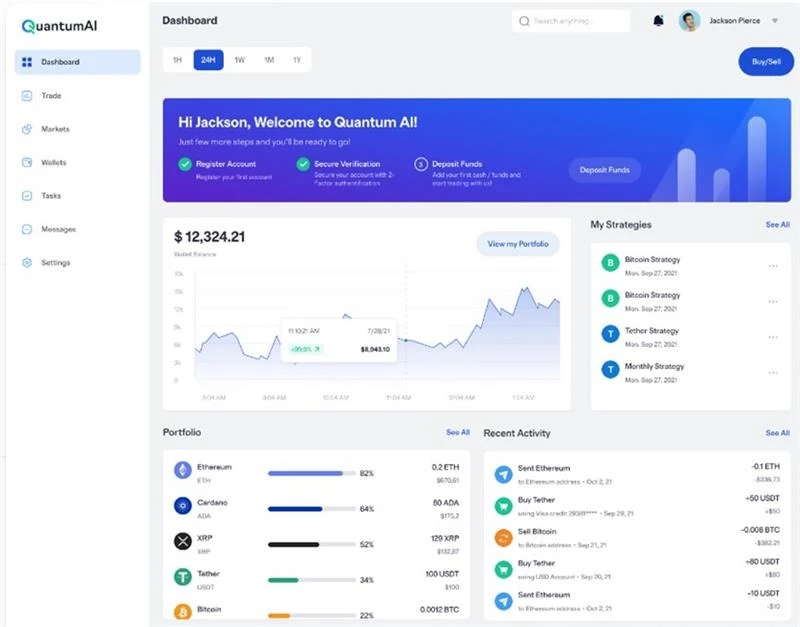
Scammers don’t build sites from scratch.
They copy the structure of legitimate platforms like:
- Swagbucks
- Survey Junkie
This includes:
- Dashboard layouts
- Survey lists
- Reward systems
- Signup pages
The result? A site that looks completely legitimate at first glance.
Step 2: They Use Copycat Domains
One of the most effective tricks is domain manipulation.
Examples:
- swagbucks-rewards2026.com
- surveyjunkie-bonus.net
These domains are designed to:
- Look familiar
- Pass quick visual checks
- Trick users into trusting the site
To learn how to verify domains, see How to Verify If a Survey Site Is Legit.
Step 3: They Build Fake Earning Dashboards
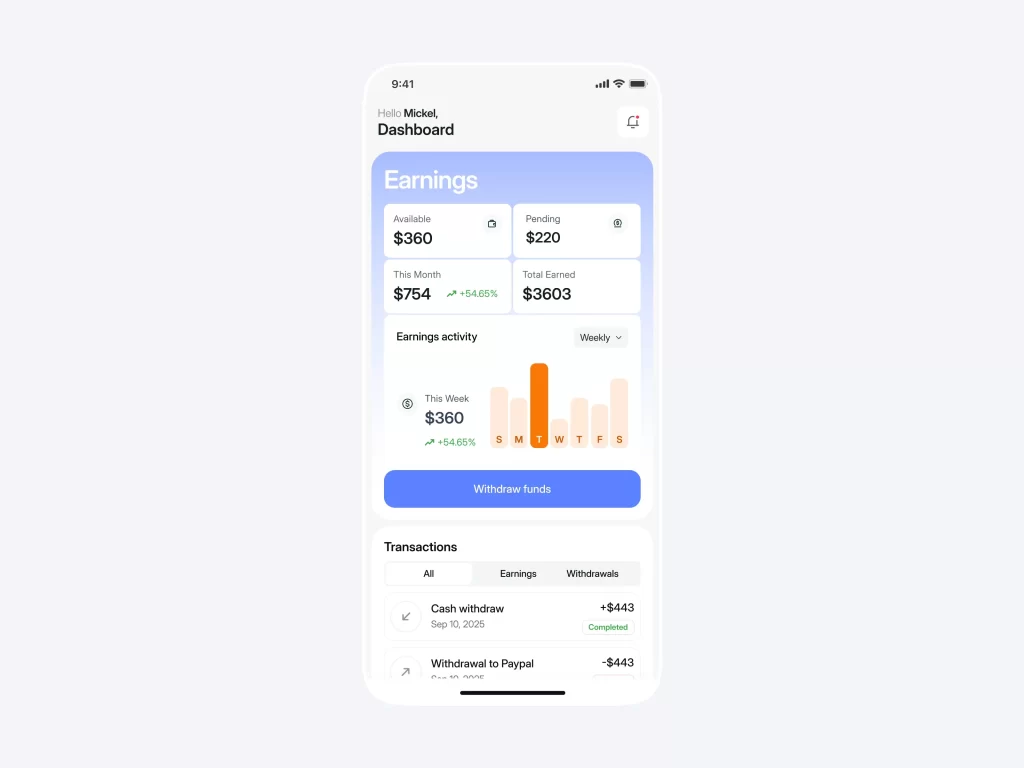
This is where scammers hook users.
Fake dashboards often:
- Show rapid earnings growth
- Guarantee survey qualification
- Display large balances ($100–$500+)
But none of it is real.
It’s all pre-programmed visual feedback.
Step 4: They Control the Withdrawal System
Here’s the critical part:
You can earn money — but you can’t withdraw it. Instead, scam sites introduce:
- “Processing fees”
- “Verification payments”
- “Minimum deposit requirements”
This is where the scam actually happens. Legitimate platforms never require payment to withdraw earnings.
Step 5: They Collect Data Aggressively
Fake survey sites often request:
- Email and passwords
- Phone numbers
- Payment details
- ID verification
Some even escalate gradually to build trust. If you notice early data requests, review Fake Survey Site Red Flags.
Step 6: They Use Urgency & Psychology
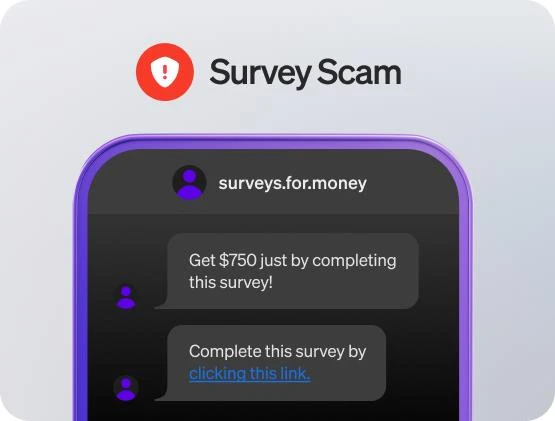
Scammers rely heavily on emotional triggers:
- “Limited VIP access”
- “Only 24 hours left”
- “You’ve earned $200 — withdraw now!”
This pushes users to act quickly without verifying.
Step 7: They Shut Down and Relaunch
Most fake survey sites:
- Operate for a short time
- Collect data or payments
- Disappear
- Relaunch under a new name
This cycle makes them hard to track.
Real vs Fake: The Key Difference
Legitimate survey sites:
- Make money from research companies
- Pay users consistently
- Operate long-term
Fake sites:
- Make money from YOU
- Block withdrawals
- Disappear quickly
For a full breakdown, see Legit vs Fake Survey Sites.
What To Do If You Used a Fake Site
If you’ve interacted with one:
- Stop immediately
- Secure your accounts
- Monitor financial activity
Follow our full recovery guide: What To Do If You Gave Information to a Scam Site.
How to Stay Safe Moving Forward
✔ Stick to verified platforms
✔ Avoid any site that charges fees
✔ Double-check domains
✔ Keep expectations realistic
If you’re unsure where to start, see Best Passive Income Apps.
FAQ: Fake Survey Websites Explained
They use templates, cloned designs, and automation tools to build sites in hours instead of weeks.
No. They are programmed to simulate earnings but do not reflect real money.
To build excitement and encourage users to continue engaging or make payments.
Yes. Many are designed specifically to collect sensitive data for identity theft or fraud.
Not always upfront. Some wait until withdrawal to introduce fees.
To avoid detection and restart under new names before being reported widely.
Use trusted platforms and verify sites before signing up. You can start with Best Paid Survey Sites.
SurveyBeta Final Thoughts
Fake survey websites are engineered to look real, feel rewarding, and build trust quickly. But behind the scenes, they follow a predictable pattern:
Copy → Hook → Block → Extract → Disappear
Once you understand how they’re built, they become much easier to spot. Take a few extra seconds to verify before signing up — and you’ll avoid the vast majority of scams.
Stay informed. Stay cautious. Stay protected.

With 12+ years in consumer research and digital behavior analysis, Sarah helps readers understand which survey sites and earning apps are truly worth their time. Her reviews focus on simplicity, honesty, and real-world results.
–OR–