

AI has made remote work easier.
Unfortunately, it has also made scams more convincing.
In 2026, one of the fastest-growing online fraud trends is the AI-powered job interview scam — where scammers use voice cloning, deepfake video, and professional-looking hiring workflows to steal personal or financial information.
If you participate in online surveys, remote gigs, or side hustles, you may be targeted.
This guide explains how AI job interview scams work, what red flags to watch for, and how to protect yourself.
For broader safety basics, review our Online Scam Protection Guide. If you need a more detailed breakdown, check out our full guide on what to do after sharing information with a scam website.
What Is an AI Job Interview Scam?

An AI job interview scam is when fraudsters:
- Pose as recruiters
- Conduct fake interviews
- Use AI-generated voices or video
- Send official-looking offer letters
Their goal is not to hire you.
Their goal is to collect:
- Social Security numbers
- Bank account details
- ID documents
- Upfront “equipment fees”
- Or deposits for “remote setup”
These scams often target people searching for:
- Remote survey jobs
- Entry-level data roles
- Work-from-home opportunities
- Flexible side income
Why Survey & Remote Workers Are Targeted
Many legitimate survey platforms operate online.
Real companies like:
- Swagbucks
- Survey Junkie
- YouGov
allow users to earn by participating — but they do not conduct formal hiring interviews for standard survey participation.
Scammers exploit this confusion by creating fake “remote survey evaluator” or “panel manager” roles.
If someone is interviewing you for a basic survey opportunity, that’s already suspicious.
If you’re unsure how real platforms operate, read How Paid Survey Sites Actually Work
How AI Job Interview Scams Work in 2026
Step 1: The Outreach
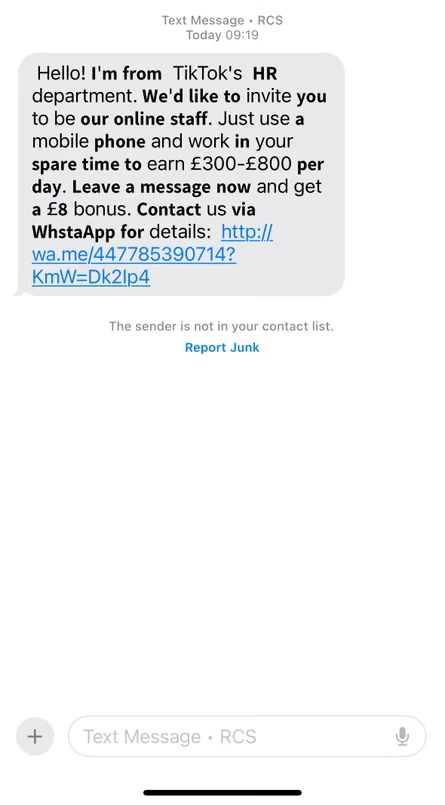
You may receive:
- A LinkedIn message
- A job board email
- A text message
- A WhatsApp or Telegram invite
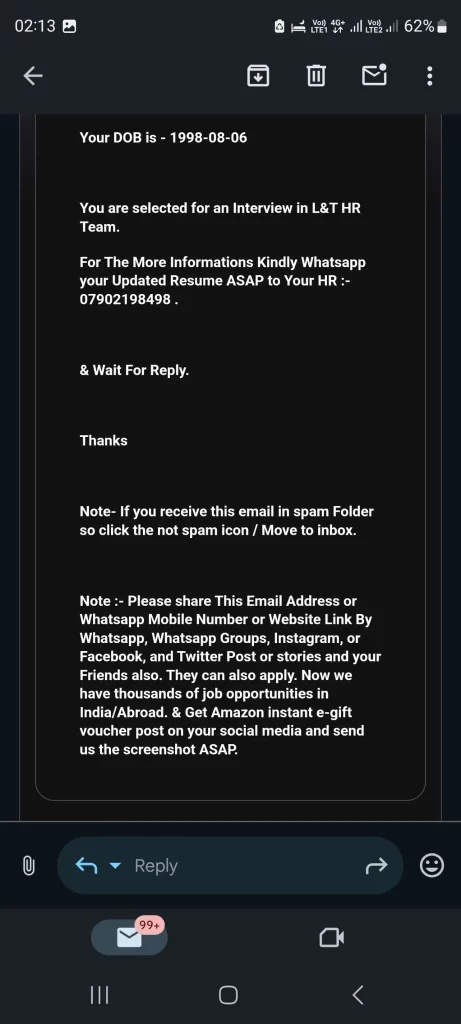
The recruiter often uses:
- A real company logo
- A polished job description
- A professional tone
Sometimes they impersonate real brands. Not sure what separates a trustworthy survey site from a scam? Our legit vs fake survey sites guide explains exactly what to look for →
Step 2: The AI Interview

The interview may:
- Be conducted via video
- Use AI-generated voice
- Feature a scripted hiring flow
- Feel structured and realistic
Some scammers use:
- Pre-recorded deepfake video
- Voice-cloned HR representatives
- AI chat interview bots
It may look convincing — but the goal is to move you to the next step quickly.
Step 3: The Offer & Information Request
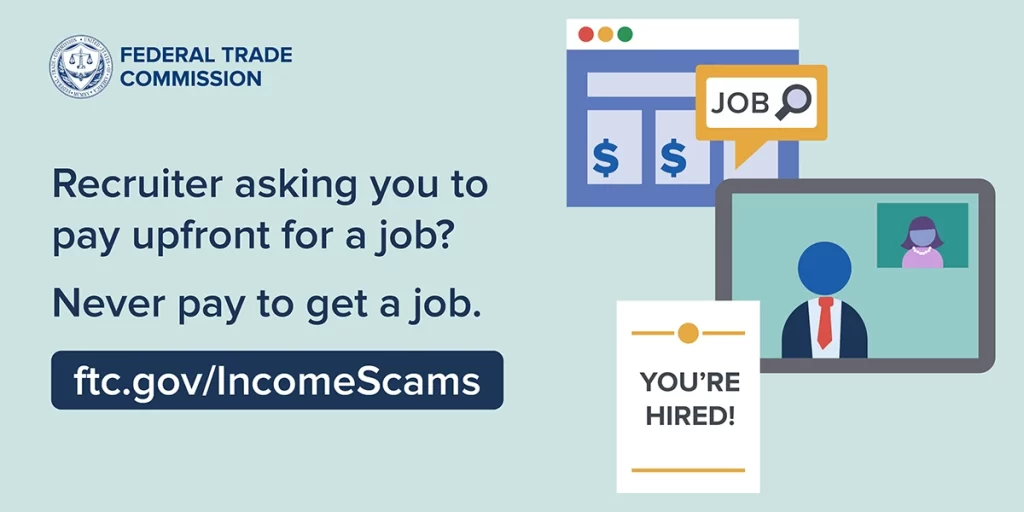
After the “interview,” you receive:
- A job offer letter
- Payroll forms
- A request for ID verification
This is where the scam begins.
They may request:
- Full Social Security number
- Bank routing numbers
- Copy of your ID
- A deposit for equipment
- Payment for “background check processing”
Legitimate survey platforms do not:
- Charge equipment fees
- Require payroll setup
- Conduct formal HR onboarding
If sensitive information is requested immediately, stop.
For more warning signs, review Fake Survey Site Red Flags → /fake-survey-site-red-flags/
Common Red Flags in AI Job Interview Scams

Here are the most consistent warning signs:
🚩 1. Messaging Apps Only
All communication happens through:
- Telegram
- Text message
Real companies use official email domains.
🚩 2. Immediate Job Offer
If you receive a job offer:
- After one short interview
- With no background checks
- Without verifying your experience
That’s suspicious.
🚩 3. Equipment Deposits
A common scam tactic:
“We will send you a check for equipment — please deposit it and send back the remainder.”
Or:
“You must pay $150 for a secure work laptop.”
Real companies do not ask new hires to send money first.
🚩 4. Urgency & Pressure
Statements like:
- “We must finalize today.”
- “Limited remote positions available.”
- “Complete payroll forms immediately.”
Scammers rely on speed.
Legitimate hiring processes allow time.
🚩 5. Suspicious Email Domains
Instead of:
companyname.com
You may see:
companyname-hr.net
companynamejobs.org
Always check the official company website independently.
Why AI Makes These Scams More Dangerous
AI tools allow scammers to:
- Clone recruiter voices
- Generate realistic offer letters
- Build convincing websites
- Automate entire hiring scripts
Because the interaction feels real, victims lower their guard.
That’s why verification matters more than ever.
How to Verify a Remote Survey Job Offer
If you receive a remote survey job offer, follow these steps:
✔ Check the Official Website
Visit the real company website directly — not through a link sent to you.
See if the job listing exists.
✔ Call or Email the Official Contact
Use contact information listed on the official website.
Ask if the recruiter works there.
✔ Research the Domain
If emails come from a strange domain, investigate it.
✔ Compare With Known Survey Platforms
Most legitimate survey participation is not a formal job.
It’s user-based participation.
You can compare how real platforms operate by reviewing our Best Paid Survey Sites
What To Do If You Gave Information
If you shared sensitive information:
- Contact your bank immediately
- Change passwords
- Enable two-factor authentication
- Consider placing a credit freeze
- Monitor credit reports
If payment was sent, act quickly.
For broader recovery guidance, see Survey Scams to Avoid in 2026
How Legitimate Survey Platforms Actually Work
Let’s clarify something important:
Most paid survey platforms:
- Do not hire employees for surveys
- Do not conduct interviews
- Do not require payroll onboarding
They operate as:
- User participation panels
- Research marketplaces
- Opinion-based reward systems
If you’re being interviewed for basic survey participation, something is likely wrong.
For a full breakdown of how legitimate survey participation works, revisit How Paid Survey Sites Actually Work → /how-paid-survey-sites-work/
The Bottom Line
AI job interview scams are convincing because they look professional.
But they still rely on the same tactics:
- Urgency
- Identity collection
- Upfront fees
- Pressure to act fast
If you:
- Never send money to get hired
- Never share full SSN during early contact
- Verify domains independently
- Slow down before responding
You dramatically reduce your risk.
Remote work and survey participation can be legitimate.
Just make sure the opportunity earns your trust first.
Stay cautious. Stay informed. Stay protected.
| Term | What It Means |
|---|---|
| Deepfake | AI-generated video that can replace a person’s face or body with someone else’s, making a scammer appear to be a real company recruiter. |
| Voice Cloning | Technology used to mimic a specific person’s voice perfectly. Scammers use this during phone or video calls to build false trust. |
| Identity Harvesting | The primary goal of fake interviews—collecting high-value data like your SSN, ID photos, and bank details to commit further fraud. |
| Social Engineering | Psychological manipulation (like creating artificial urgency) used to trick people into making security mistakes or sharing secrets. |
| Domain Spoofing | Creating a fake website or email (e.g., [email protected]) that looks almost identical to a legitimate brand’s official domain. |
| Two-Factor (2FA) | A security layer where you provide two types of identification. Legitimate sites use this to protect your earnings; scammers try to bypass it. |
| Encrypted Apps | Messaging tools like Telegram and WhatsApp. While useful for privacy, scammers prefer them because they are harder for law enforcement to track. |
AI & Deepfake Interview Scams: 2026 Safety FAQ
Yes. In 2026, AI video tools can overlay a recruiter’s face onto a scammer in real-time. To spot this, look for “glitches” around the mouth or eyes when they move quickly. You can see visual examples of these red flags in our AI Scam Comparison Box.
Scammers use these apps because they are encrypted and hard for authorities to track. Legitimate companies will always communicate through official email domains. If a recruiter refuses to move the conversation to email, refer to our Fake Survey Site Red Flags for more communication warning signs.
No. This is a classic “Fake Check Scam.” They send a digital check, ask you to deposit it, and then tell you to send a portion back for “software setup.” The check eventually bounces, and you lose your own money. Real employers provide equipment directly or use verified procurement portals.
AI voices (voice clones) often have perfectly consistent pacing but may lack natural “breathing” sounds or struggle with complex emotional inflections. If the voice sounds slightly robotic or has a faint echo, it may be an AI clone. Learn more about Voice Cloning in 2026.
Since many AI scammers use scripted responses, ask something completely off-topic, like “What’s the weather like where you are right now?” or “Can you wave your hand in front of your face?” AI bots often lag or glitch when forced to react to unscripted physical requests.
Almost never. Standard platforms like Swagbucks or Survey Junkie
use automated dashboards. If you are being asked for a formal video interview for a simple survey role, you are likely being targeted by an AI job interview scam.
Identity theft is the main goal of these scams. You must immediately freeze your credit and monitor your accounts. Follow the emergency steps listed in our What To Do After a Scam guide to protect your identity from further misuse.

With 12+ years in consumer research and digital behavior analysis, Sarah helps readers understand which survey sites and earning apps are truly worth their time. Her reviews focus on simplicity, honesty, and real-world results.