
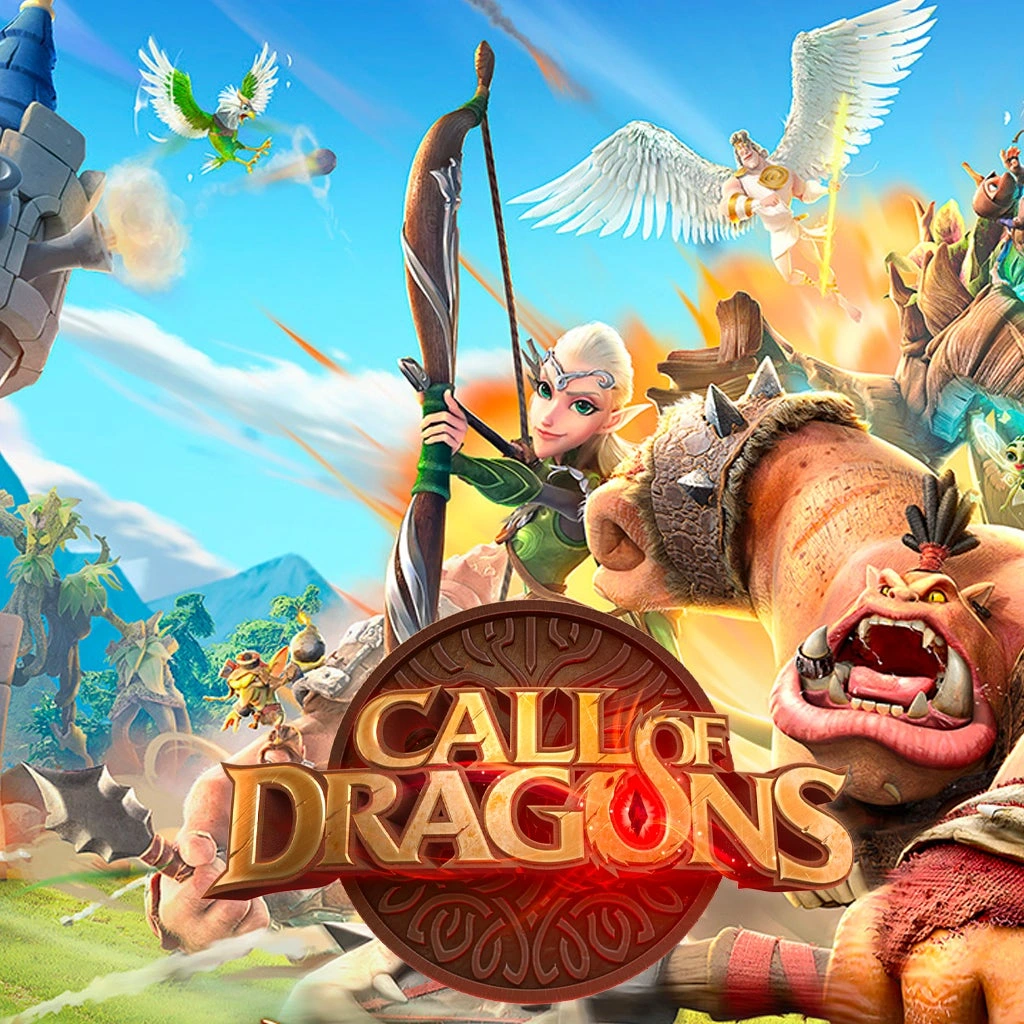
 Call of Dragons Offer Summary
- High potential payouts compared to casual games
- Incremental milestone rewards
- Deep strategy gameplay with alliance features
- Legitimate tracking through major reward platforms
- Very time-intensive progression
- Strong dependence on active alliances
- Late milestones often have poor ROI
- Spending pressure increases over time
What Is Call of Dragons?
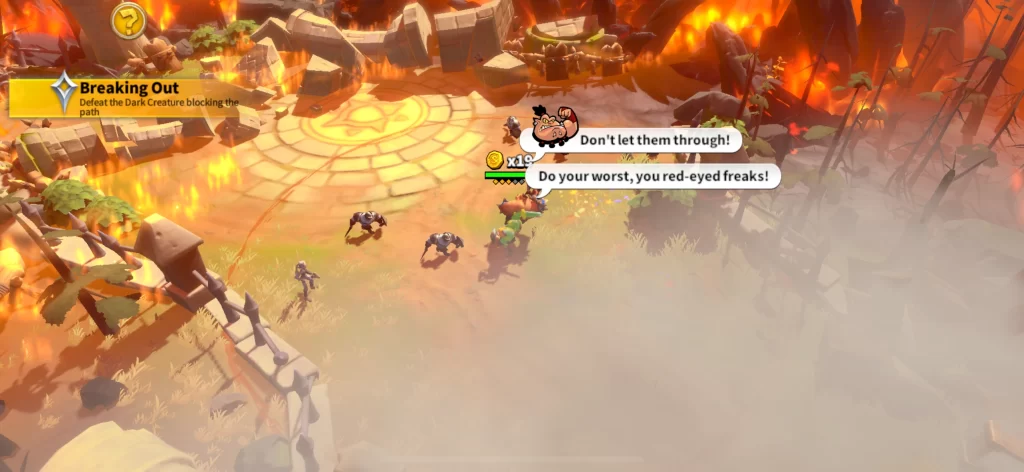
Call of Dragons is a real-time strategy (RTS) mobile game where players build a city, gather resources, train armies, research technologies, and join alliances on a shared world map.
If you’ve played Rise of Kingdoms or Lords Mobile, the structure will feel familiar. Progression is based on city upgrades, timers, alliance coordination, and long-term planning rather than quick matches.

This depth is why Call of Dragons often appears with higher payouts on reward platforms — and also why it’s much more time-intensive than casual games.
How the Call of Dragons Offer Works
Call of Dragons itself does not pay real money. Rewards come from completing tracked milestones on a reward platform.
Most offers follow a structure similar to this:
| Milestone Type | Typical Requirement |
|---|---|
| City Level Progress | Upgrade your city to a specific level |
| Building Unlocks | Construct or upgrade key buildings |
| Timed Completion | Finish within 14–30 days |
| Multi-Step Rewards | Incremental payouts per milestone |
Rewards are usually tiered, meaning you can earn partial payouts without completing the entire offer.
Core Gameplay Systems
Call of Dragons has more moving parts than most paid game offers. Understanding these systems early saves time later.
| System | How It Works |
|---|---|
| City Building | Upgrade structures to unlock features and progression. |
| Research | Technology trees improve efficiency and power. |
| Army Training | Troops are required for combat and map control. |
| Alliance System | Joining an active alliance is essential for speedups and protection. |
| World Map | Shared map with PvE, PvP, and resource zones. |
This is not a “log in once a day” game. Progress depends on consistent check-ins.
Time Commitment: What to Expect
This is where many players underestimate the offer.
| Stage | Reality |
|---|---|
| Early Game | Slow but manageable as systems unlock. |
| Mid Game | Time gates become noticeable. |
| Late Game | Heavy grind or spending pressure. |
Unlike Dice Dreams or Monopoly GO, progress does not accelerate early. Timers are part of the design from the start.
Spending Pressure (Important)
Call of Dragons strongly encourages spending through:
- Speed-up packs
- Resource bundles
- Limited-time progress offers
Some milestones are very difficult to reach without spending, especially under strict deadlines.
Spending can help — but it does not guarantee completion.
Call of Dragons Earnings Calculator (How to Think About It)
Instead of focusing on the headline payout, evaluate the offer using time-based ROI.
| Factor | Example |
|---|---|
| Total Reward | $60 |
| Estimated Time | 30 hours |
| Money Spent | $10 |
| Effective Hourly Value | $1.67/hour |
As time estimates increase, the effective hourly value drops quickly.
Rule of thumb:
If progress slows and the hourly value falls below your personal minimum, it’s usually better to stop.
Strategy Tips That Matter

These are practical, not theoretical:
- Join a top-ranked alliance immediately
- Focus upgrades only on buildings tied to milestones
- Save speed-ups for required city levels
- Avoid side content that doesn’t advance progression
- Re-calculate ROI before spending money
Alliance activity often determines success more than individual effort.
Common Pitfalls
| Mistake | Why It Hurts |
|---|---|
| Playing solo | Slows progress dramatically. |
| Overbuilding | Wastes time and resources. |
| Spending late | Often doesn’t improve ROI. |
| Ignoring time tracking | Makes offers seem better than they are. |
Pros & Cons
| Pros | Cons |
|---|---|
| High potential payouts | Very time-intensive |
| Deep strategy gameplay | Alliance dependency |
| Legit tracked offers | Spending pressure |
| Incremental rewards | Slow early progression |
Call of Dragons FAQ
No. Rewards come from completing tracked milestones on a reward platform.
Yes. The game itself is legitimate, and tracked offers credit when requirements are met.
Some early milestones are possible without spending. Higher milestones are much harder.
Expect multiple weeks of consistent play for mid-to-high milestones.
They appeal to different players. Dice Dreams is casual and faster; Call of Dragons is slower but can pay more.
Often no. The final milestone usually has the worst time-to-reward ratio.
Players looking for quick payouts or casual gameplay.
Final Verdict: Is Call of Dragons Worth It?
Call of Dragons is best treated as a long-form strategy challenge, not a quick paid game.
It can be worth starting for:
- Early to mid milestones
- Players who enjoy alliance-based strategy
- Users comfortable tracking ROI over weeks
For most people, stopping before the final milestone is the smarter decision.

If you approach it analytically — not emotionally — Call of Dragons can make sense. If you chase completion blindly, it often doesn’t.

Sarah is a guest contributor with over 12 years of experience in consumer research. She writes clear, honest reviews to help readers understand which survey sites and earning apps are actually worth their time.