
 Monopoly GO Offer Summary
- Very popular and well-supported game
- Early milestones credit quickly
- Frequent events and bonuses
- Easy to understand gameplay
- Late-game progress slows significantly
- Dice scarcity limits free advancement
- Higher milestones often require spending
- Time investment increases sharply
Monopoly GO is one of the more polished “dice + progression” mobile games out there. It’s fun in short bursts, and it can also be worth playing when it shows up as a paid offer on Swagbucks or InboxDollars—as long as you treat it like a timed challenge, not a forever game.
The best part is the early progression: you roll, upgrade, move boards, and it feels fast. The part that trips people up is later: progress slows, dice feel tight, and it becomes tempting to spend.
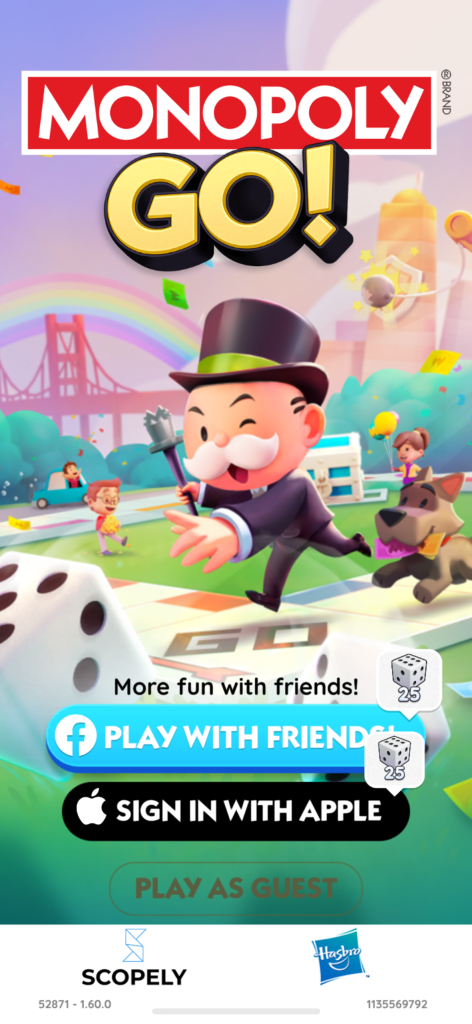
How You “Make Money” With Monopoly GO (Swagbucks Style)
Monopoly GO itself doesn’t cash out money. The payoff usually comes from reward platforms (like Swagbucks or InboxDollars) that pay you for hitting milestones such as:
- Reaching certain board levels
- Increasing net worth / upgrades
- Completing progress steps within a time limit
If you’re playing purely for rewards, your real question isn’t “is it fun?” — it’s “is it worth the time?”
Interactive Monopoly GO Offer Calculator
Before you commit hours (or spend a dime), use this quick calculator to check whether a Monopoly GO offer is actually worth it for your personal $/hour goal.
This calculator is designed to answer one simple question:
“Is this Monopoly GO offer worth continuing — or should I slow down and play casually?”
It doesn’t tell you what to do.
It helps you make a clear, realistic decision based on time, money, and payout.
Most people already plan to play Monopoly GO anyway. This tool helps you make sure you’re not accidentally turning a reward into a bad deal.
How to Use the Monopoly GO Offer Calculator
Quick setup, no math required
| Step | Calculator Field | What to Enter & Why |
|---|---|---|
|
Step 1
Enter the reward
|
Reward Amount ($) |
Enter the full payout listed in the offer (for example, $15 or $25).
Always use the total reward shown in the offer terms. |
|
Step 2
Estimate your time honestly
|
Estimated Time (hours) |
Enter how many total hours of active play you expect.
|
|
Step 3
Add planned spending (optional)
|
Planned Spend ($) |
Only enter money you actually plan to spend.
Playing free? Leave this at $0. |
|
Step 4
Set your completion chance
|
Completion Chance (%) |
Estimate how likely you are to finish:
|
|
Step 5
Choose your “worth it” rate
|
Worth It Rate ($/hr) |
This is the minimum hourly value that feels worthwhile to you.
|
|
Step 6
Set a spend cap
|
Stop-Loss Spend Cap ($) | This is your hard spending limit. If you go over it, the calculator will clearly tell you to stop. |
What the Results Mean
Net Profit
Reward minus any spending.
Hourly Value
How much you’re earning per hour if you finish.
Expected Value (EV)
Your average outcome after accounting for the chance you might not finish.
EV per Hour
The most realistic number — it combines time, reward, and risk.
The “Keep Going?” Recommendation
At the bottom, you’ll see a clear recommendation:
- ✅ Keep going → Strong value for your time
- 🟡 Continue casually → Borderline, but fine if you’re already playing
- 🛑 Stop now → Only appears if you break your spend cap
By default, the calculator starts in a positive, realistic mode — because most people are already playing for fun. The goal isn’t to shame you, but to help you stay in control.
What This Calculator Is (and Isn’t)
This calculator is:
- A quick reality check
- A way to protect your time and spending
- A tool to avoid bad late-game decisions
This calculator is not:
- A guarantee
- A judgment on how you play
- Financial advice
If the numbers still look okay and you’re enjoying the game — keep going.
If not, slow down, stop spending, or treat it as entertainment only.
That’s the win.
Should You Put Money In to Make Money?
If you’re playing for Swagbucks rewards, spending can make sense only in a narrow scenario:
- You’re very close
- You already planned a cap
- The calculator still shows a good $/hour after spend
Otherwise, Monopoly GO is better as a free-only offer. It’s designed to make “just a few more rolls” feel reasonable, and that’s where people burn money.
Strategy That Actually Helps
This game isn’t about skill shots—it’s about managing dice.
- Save dice for events
- Don’t chase leaderboards
- Play in short sessions
- Stop when progress slows and your $/hour drops
Check out other Popular Games Courtesy of Swagbucks

Monopoly GO Compared to Similar Games
One Game That’s Not Similar (but often better for reward offers)
Monopoly GO vs Similar Games
Fast comparison for offer hunters (mobile-friendly)
These games often feel similar for offers: fast early progress, then a slower late-game grind. Use this to compare time commitment, spending pressure, and how predictable the grind feels.
| Game | Core Loop | Offer “Value” | Time to Hit Goals | Spend Pressure | Luck vs Skill | Notes (What to Expect) |
|---|---|---|---|---|---|---|
|
Monopoly GO
Board + dice + events
🟡 Mixed
|
Roll dice → land on tiles → earn cash → build landmarks → repeat (events boost progress). | 🟡 Can be decent Better when goals are modest; late tiers can tank ROI. |
🟡 Medium–High Early is fast; late boards often drag. |
🟡 Moderate Temptation spikes when you’re “almost there.” |
🎲 Mostly luck Timing helps, but dice decide a lot. |
Best if you set a spend cap and re-check ROI before chasing the last milestones. |
|
Coin Master
Slots + raids + village builds
🛑 Grind-heavy
|
Spin slots → raid/attack → earn coins → build village → repeat. | 🟡 Depends Fine for smaller goals; tougher for high tiers. |
🛑 High Progress can stall hard when spins dry up. |
🛑 High “Just a few more spins” is the trap. |
🎲 Mostly luck | High FOMO loop. Great example of why a spend cap matters. |
|
Dice Dreams
Board + dice + steal/attack
🟡 Mixed
|
Roll dice → move on board → earn resources → upgrade kingdom → repeat. | 🟡 Similar to MG Often okay mid-way; late-game slows. |
🟡 Medium–High | 🟡 Moderate Can spike near the final upgrade. |
🎲 Mostly luck | If you like Monopoly GO’s loop, this will feel familiar — expect a similar slowdown. |
|
Board Kings
Board + dice + building
🟡 Mixed
|
Roll dice → build your board → visit others → collect upgrades/resources. | 🟡 Depends Smoother than Coin Master, but still has bottlenecks. |
🟡 Medium | 🟡 Moderate | 🎲 Mostly luck | Feels lighter, but bigger offer targets can still hit a resource wall. |
|
Family Island
Energy management + crafting
🟡 Mixed
|
Spend energy → craft/build → unlock areas → repeat (more “routine” progress). | 🟡 Can be good More predictable if you play consistently. |
🟡 Medium Less one-session grind, more daily play. |
🟡 Moderate Spending mainly buys speed (energy). |
🧠 More planning Planning matters more than luck here. |
Better if you prefer steady progress over dice randomness. |
|
Not Similar (Skill Game)
Example: Solitaire / Word puzzle
✅ Often calmer
|
Skill-based rounds → consistent progress → fewer “resource walls.” | 🟡 Varies Often more predictable if goals are wins/levels. |
✅ Medium Easier to estimate time than dice/slot games. |
✅ Lower Less urgency to buy “one more try.” |
🧠 More skill | If you dislike randomness, skill games can feel “fairer” for offers. |
- If a game has high spend pressure, set a spend cap before you start.
- If it’s mostly luck, completion chance matters more—use it in the calculator.
- Most value comes from early + mid milestones. Late-game is where ROI often collapses.
Note: Offer value depends on the exact goal, reward, your pace, and event timing. Use the calculator above to sanity-check your specific offer.
How Monopoly GO Works (From Someone Who’s Played It)
When I first opened Monopoly GO, I honestly expected something complicated. It’s not.
At its core, it’s a simple board game loop that slowly pulls you in.
Here’s how it works in plain English.
The Object of the Game
The main goal in Monopoly GO is to move around the board, earn money, and build landmarks.
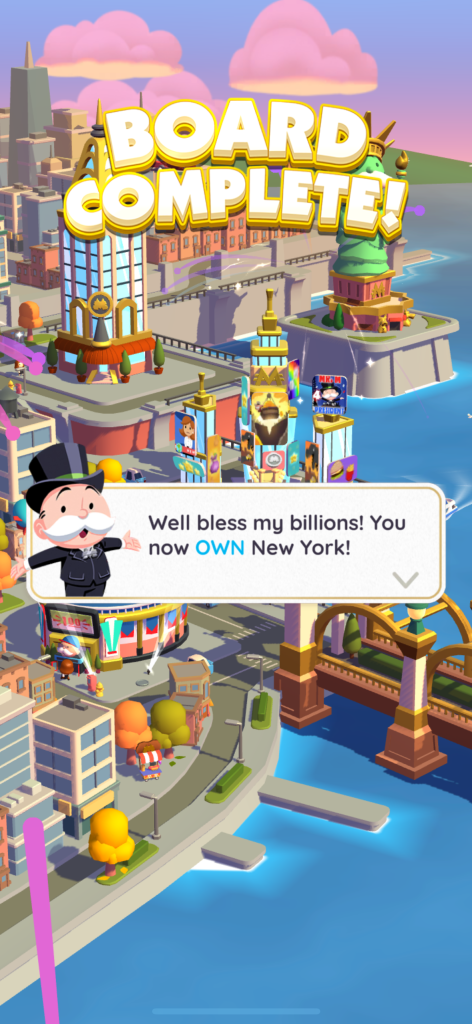
You’re not trying to “win” a traditional Monopoly match. Instead, you’re:
- Completing boards
- Upgrading landmarks
- Unlocking new boards
- Progressing through events and milestones
If you’re playing for an offer or reward, the real goal is usually:
Reach a specific board, level, or milestone before the deadline.
How You Actually Play
Everything in Monopoly GO starts with dice.
You roll dice → your token moves → something happens.
Most of the time, that “something” is one of these:
- 💰 Earn cash
- 🏠 Build or upgrade a landmark
- 🎯 Progress an event
- 💥 Attack or shut down another player’s board
- 🎁 Get bonuses or free dice
You don’t control where you land — it’s mostly luck — but when you play actually matters a lot (especially during events).
Dice = Time (This Is Important)
Dice rolls are basically your energy bar.
- You start with a limited number of dice
- Dice refill slowly over time
- Events, rewards, and bonuses give you more dice
When you’re out of dice, you’re basically done playing unless you:
- Wait
- Earn more through events
- Or buy them (optional, not required)
This is where a lot of people get tripped up later in the game.
Building Landmarks & Clearing Boards
Each board has multiple landmarks to build or upgrade.
You use the cash you earn from dice rolls to:
- Build landmarks
- Upgrade them multiple times
- Complete the board
- Move on to the next one
Early boards are fast and cheap.
Later boards get much more expensive, which is where progress slows down.
That slowdown is normal — it’s how the game is designed.
Events Are Where Progress Happens
Most real progress comes from limited-time events.
These events:
- Run for hours or days
- Reward dice, cash, and boosts
- Stack on top of normal gameplay
If you play during events, you move way faster.
If you play outside events, progress can feel painfully slow.
This is why timing matters more than skill in Monopoly GO.
Attacks, Heists, and Other Players
You’ll see other players’ boards, but it’s not competitive in a stressful way.
- You can attack or steal from other boards
- Other players can do the same to you
- Damage can be repaired
It sounds annoying, but it’s mostly just part of the loop — not something to stress over.
What It Feels Like to Play
Early on, Monopoly GO feels:
- Easy
- Fast
- Generous
Mid-game feels:
- Slower
- Still doable
- Event-dependent
Late-game can feel:
- Grindy
- Dice-starved
- Tempting to spend “just a little”
That’s why having a plan (or using a calculator) helps if you’re playing for rewards.
Is There Any Skill Involved?
A little — but not much.
Skill mostly comes down to:
- Playing during good events
- Not wasting dice outside events
- Knowing when to stop or slow down
You can’t out-skill bad luck, but you can avoid bad decisions.
Common Mistakes New Monopoly GO Players Make
Most new players don’t do anything wrong — they just don’t realize how the game is designed yet. These are the most common traps I see.
1. Playing Outside Events Too Much
Rolling dice when no good event is running feels productive, but it’s usually inefficient.
Events are where the real progress comes from.
Better approach: Save dice and play more during events.
2. Underestimating Late-Game Time
Early boards fly by, so it’s easy to assume the rest will too.
They won’t.
Later landmarks cost way more, and each board takes significantly longer than the last.
Better approach: Re-check your time estimate as you move forward.
3. Chasing “Almost Done” Progress
This is the big one.
When you’re close to finishing a board or milestone, the game nudges you with:
- Dice packs
- Boosts
- Limited-time offers
That’s where people overspend or burn too much time.
Better approach: Decide your limits before you get close.
4. Assuming Spending Is Required
Spending can speed things up, but it’s not required to play or enjoy the game.
Many players finish offers without spending anything — just more slowly.
Better approach: Treat spending as optional, not expected.
5. Not Having a Stop Point
Without a plan, it’s easy to keep playing just because you already started.
That’s how people turn a decent offer into a bad deal.
Better approach: Know when you’ll slow down, stop, or switch offers
Final Thoughts for New Players
If you’re brand new:
- Enjoy the early boards — they’re the most fun
- Don’t rush
- Don’t feel pressured to spend
- Expect things to slow down later
Monopoly GO is easy to pick up, hard to pace correctly, and very good at making progress feel “almost done.”
Once you understand that, the game makes a lot more sense.
Monopoly GO FAQ: Tips, Tricks, and Payout Strategy
Yes. You can play Monopoly GO completely free. Purchases are optional and mainly speed up progress by giving you more dice or boosts.
No. Many players complete offers without spending anything. Spending can reduce time, but it also lowers your net reward, which is why it’s important to plan ahead.
Later boards and landmarks cost much more, and dice run out faster. This slowdown is intentional and happens to almost everyone.
Mostly, yes. While events and timing help, you can’t fully control where you land. Luck plays a big role.
During active events. Events provide extra rewards, dice, and progress, making your time more efficient.
Expected Value (EV) factors in the chance that you might not finish the offer. It gives a more realistic picture than looking at the reward alone.
If progress feels slow, spending starts to creep up, or the calculator shows the hourly value dropping below what feels worth it to you, that’s usually a good stopping point.
It can be — especially for casual players or modest offers. It’s less ideal for high-pressure, late-game goals unless you’re comfortable with the time commitment.
Closing Thoughts
Monopoly GO is easy to start, fun at first, and surprisingly easy to misjudge once the game slows down. If you’re playing casually, it works well as a light, on-and-off mobile game. If you’re playing for an offer, the key is staying aware of your time and not letting “almost done” decisions push you further than planned. Use the calculator as a quick reality check, set simple limits for yourself, and remember that it’s always okay to slow down or stop if the numbers stop making sense.

Sarah is a guest contributor with over 12 years of experience in consumer research. She writes clear, honest reviews to help readers understand which survey sites and earning apps are actually worth their time.